
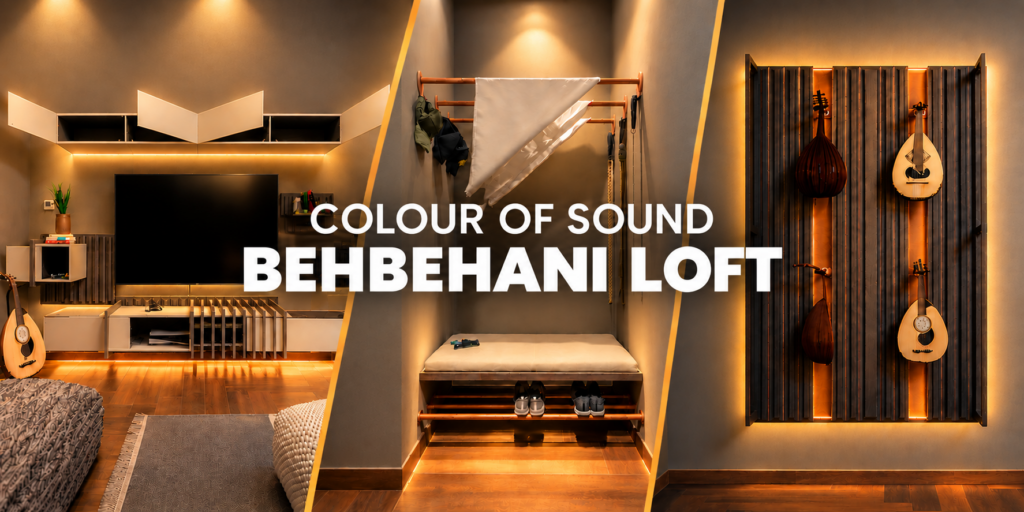
We designed & supervised a collection of furniture for a client in his loft in Abu Ftaira, this client is a musician and has a unique collection of Ouds crafted by some of the best Oud craftsmen in the world, 2 of them by the best oud craftsmen in Kuwait, 1 of them by a famous Turkish oud craftsmen which was by far the most detailed and crafty, and the last was a nice oud but what made it special was it was signed by Naseer Shama, notably one of the pioneers of Oud performing.
During the research/reconnaisance we went with the client to the dewaniya of one of Kuwait’s best oud craftsmen, he showed us his workshop and we listened as him and his friends discussed the sounds that different ouds make based on the thickness of the wood used, its pliability, and other elements that make each oud special, they then said something that grabbed my attention, when describing some ouds they said that the colour of sound of this oud is not like the colour of sound of this other one, and I had to stop them, I said wait a minute what did you just say?
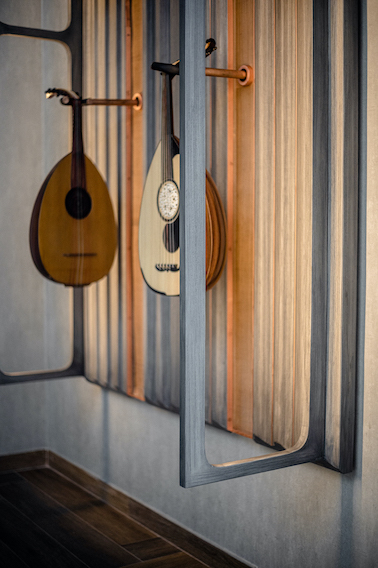
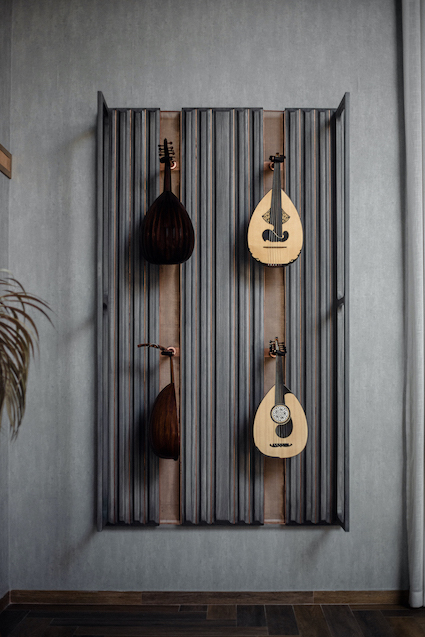
The “colour of sound”? The craftsmen said “yes, that is how we refer to the sounds of different ouds, some are peachy, some are dark maroon, the language of colour is very diverse and allows us to articulate what an oud sounds like or when conversing with a musician or singer, they can tell us what kind of sound their looking for.” At that moment I realized that this is a groundbreaking piece of information, in fact, this WILL be the concept for this furniture collection, I then researched more into the colour of sound and found that Michael Jackson, Kanye West, Pharell Williams, Billie Eilish, Frank Ocean, and the famous painter Edward Hopper all had “Synesthesia”, which is a neurological phenomenon where the stimulation of one sensory pathway (like hearing music) leads to involuntary experiences in a second sensory pathway (like seeing colors). This added to our inspiration, and meant that we needed to add colour in a subtle way where the colour of materials like copper and bronze complimented the wood in the furniture, it also meant that any wood or travertine used in them must be grey, since making them a muted colour in turn makes the colour of bronze stand out. The oud display wall that we designed was simply a wood cladding, but that wood cladding was 10cm strips which were each crafted to mimic the “neck” of the oud.
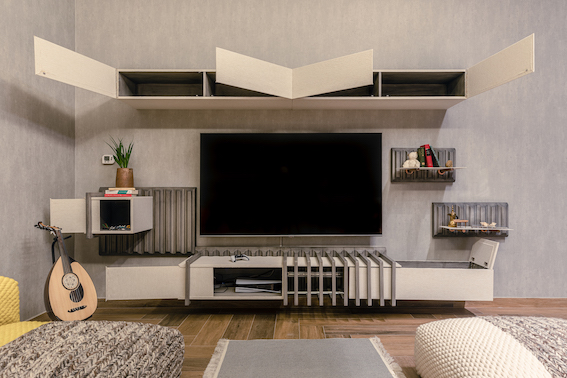
قمنا بتصميم مجموعة من الأثاث والإشراف على تنفيذها لصالح عميل في شقته (التي صُممت بنمط “اللوفت” المفتوح) في منطقة “أبو فطيرة”. كان العميل موسيقياً يمتلك مجموعة فريدة من آلات العود التي صنعها نخبة من أمهر الحرفيين في العالم؛ فمن بينها آلتان صنعهما أفضل صنّاع العود في الكويت، وآلة ثالثة صنعها حرفي تركي شهير تميزت بأعلى درجات الإتقان ودقة التفاصيل، أما الآلة الأخيرة -ورغم جودتها- فقد اكتسبت تميزاً خاصاً بفضل توقيع الموسيقي الشهير نصير شمة عليها، وهو أحد رواد العزف على العود. وخلال مرحلة البحث والاستكشاف، رافقنا العميل لزيارة “ديوانية” أحد أمهر صنّاع العود في الكويت؛ حيث أطلعنا على ورشته واستمعنا إلى نقاشاته مع أصدقائه حول خصائص الصوت في آلات العود المختلفة، متناولين عوامل مثل سماكة الخشب المستخدم ومرونته وغيرها من العناصر التي تمنح كل آلة طابعها الفريد. حينها، لفت انتباهي تعبيرٌ محدد استخدموه؛ إذ وصفوا صوت إحدى الآلات بأنه يختلف في “لونه” عن صوت آلة أخرى. توقفتُ مقاطعاً إياهم: “لحظة واحدة، ماذا قلتم للتو؟ ‘لون الصوت’؟”. فأجاب الحرفيون: “نعم، هكذا نصف أصوات آلات العود المختلفة؛ فبعضها يميل إلى لون الخوخ (الدرّاقي)، وبعضها الآخر إلى اللون العنابي الداكن. إن لغة الألوان ثرية ومتنوعة، وتتيح لنا التعبير بدقة عن طبيعة صوت العود، كما تسهّل علينا التواصل مع الموسيقيين والمغنين، إذ يمكنهم إخبارنا بنوع الصوت الذي يبحثون عنه”. في تلك اللحظة، أدركتُ أنني أمام معلومة جوهرية ومبتكرة، بل إنها ستكون المفهوم الأساسي الذي ستبنى عليه مجموعة الأثاث هذه. واصلتُ بحثي في موضوع “لون الصوت” واكتشفتُ أن شخصيات بارزة -مثل مايكل جاكسون، وكانييه ويست، وفاريل ويليامز، وبيلي إيليش، وفرانك أوشن، والرسام الشهير إدوارد هوبر- كانوا جميعاً يتمتعون بحالة “الحس المرافق”
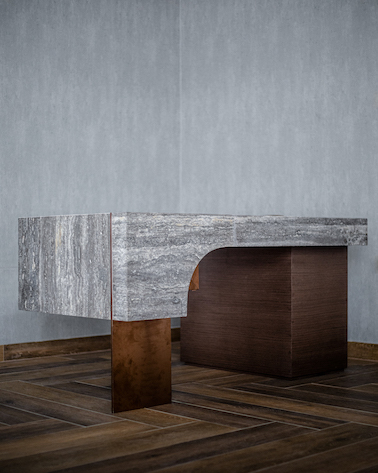
(Synesthesia)؛ وهي ظاهرة عصبية تؤدي فيها إثارة مسار حسي معين (مثل سماع الموسيقى) إلى تجارب لا إرادية في مسار حسي آخر (مثل رؤية الألوان). لقد عزز ذلك من إلهامنا، مما استلزم إدخال اللون بأسلوبٍ متناغمٍ ورقيق؛ بحيث تتكامل ألوان مواد مثل النحاس والبرونز مع خشب الأثاث. كما تطلب الأمر أن يكون الخشب أو حجر “الترافرتين” المستخدم رمادي اللون، إذ أن اختيار درجات لونية هادئة ومكتومة يبرز لون البرونز ويجعله أكثر بروزاً وجاذبية. أما جدار عرض آلة العود الذي صممناه، فقد كان عبارة عن كسوة خشبية بسيطة، لكنها تألفت من شرائح خشبية بعرض 10 سم، صُممت ونُفذت كل منها خصيصاً لتُحاكي شكل “عنق” آلة العود.
